




Denounce with righteous indignation and dislike men who are beguiled and demoralized by the charms pleasure moment so blinded desire that they cannot foresee the pain and trouble.
Read MoreModern operations are no longer driven by dashboards and manual handoffs - they’re increasingly orchestrated by AI agents. These intelligent, autonomous actors are transforming the way systems interact, decisions are made, and workflows are executed. When done right, agentic AI creates a business environment where systems talk to each other, make decisions on the fly, and improve continuously without human intervention.
From Salesforce’s Agentforce to Workato Copilot and Snowflake Cortex Intelligence, a new generation of tools is enabling machines to trigger events, analyze outcomes, and refine logic using APIs and event streams.
This blog explores how these Agentic AI systems are being used in real-world operations - and what it takes to make them work reliably and responsibly.
What Is Agentic AI in Enterprise Operations?
Agentic AI refers to systems that can observe, decide, and act autonomously within defined guardrails. Instead of simply surfacing insights, these agents:
- Monitor systems continuously
- Trigger actions based on pre-set or learned conditions
- Adapt based on feedback loops and evolving data
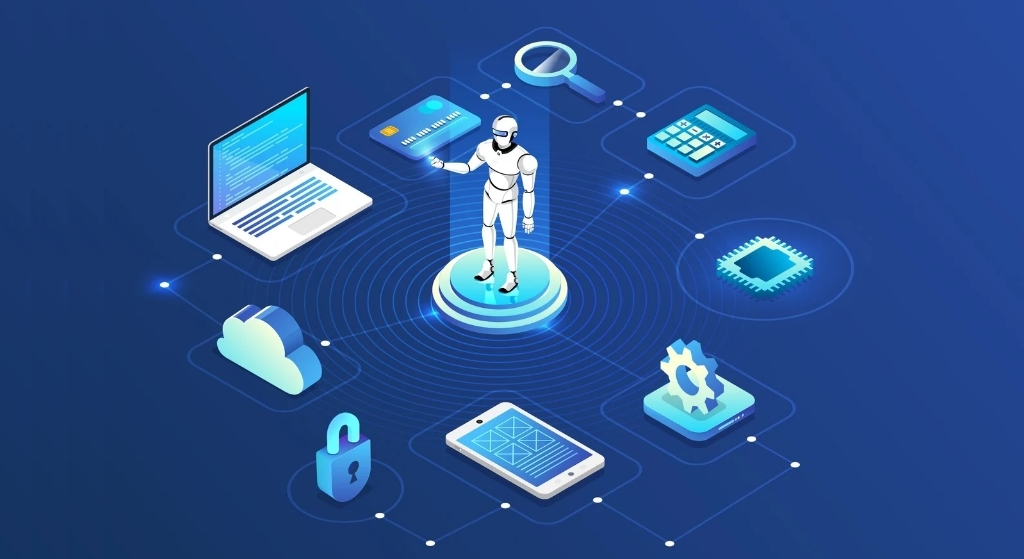
They work by leveraging APIs, automation platforms, and real-time data streams to orchestrate tasks across systems. Think of them as intelligent middleware that sits between your CRM, ERP, cloud, and analytics stack.
Why This Matters Now
As companies invest in AI, many hit a bottleneck: their systems aren’t ready to execute the insights AI provides. Agentic AI fills that gap by becoming the execution layer.
- A sales assistant AI can automatically update a lead status when a contract is signed.
- A finance agent can reroute invoices if a payment fails.
- A support AI can reprioritize tickets based on sentiment analysis.
These use cases aren’t futuristic—they’re happening now in event-driven environments with mature API strategies.
Key Components of Agentic AI Architecture
- Event Triggers
Agents are activated by events — such as a customer interaction, system error, or a new data insight. Platforms like Workato enable event listeners that immediately fire automation flows when a change is detected. - API Orchestration
APIs are how these agents interact with your ecosystem. A strong API strategy ensures that agents can read, write, and act on systems like Salesforce, SAP, Snowflake, or Slack. - LLM-Powered Reasoning
Large language models provide reasoning and decision-making capabilities. For instance, they might choose which workflow to run based on context from multiple systems. - Feedback Loops
Agentic AI isn’t static. Once an action is taken, it monitors the results. If a task fails or doesn’t deliver the expected output, the system adjusts — creating self-optimizing behavior over time. - Observability & Guardrails
Continuous monitoring, logging, and exception handling ensure the system behaves reliably and can be audited. Guardrails prevent rogue automation or unintended consequences.
Real-World Scenarios
- Salesforce Agentforce:
Uses AI Agents to interpret CRM activity and suggest or execute next steps (e.g., auto-sending follow-ups, creating opportunities). - Workato Copilot:
Acts as a conversational interface and execution engine, turning user prompts into dynamic workflow executions across apps. - Snowflake Cortex & Streamlit:
Enable agents to take analytical actions, such as automatically cleaning incoming data or rebalancing compute resources based on usage.
Designing an Agentic Future: What It Takes
- Unified API and Integration Frameworks:
So agents can access and control systems securely. - Modular Workflows and Low-Code Logic:
To enable rapid iteration and fail-safes. - Monitoring and Alerting Systems:
Observability must be baked in from the start. - Cross-Team Collaboration:
Success depends on alignment between IT, data, and business users.
Building agentic operations isn’t just about adding AI — it’s about rethinking architecture around intelligence, automation, and action.
Conclusion
Agentic AI isn’t about replacing humans — it’s about empowering systems to take meaningful, autonomous actions within defined boundaries. When your systems talk to each other and act without waiting for human intervention, you unlock a new kind of operational agility.
By embracing event-driven design, robust API strategies, and intelligent automation platforms, enterprises can set the stage for AI agents that don’t just inform — they perform.